Open 24/7, Monday to Sunday | Serving Lincoln since 2018(402) 773-8576
Diego Dumpster RentalDumpster Rental Lincoln, NE
Dumpster Rental Lincoln, NE

Local debris service

Dumpster Rental Lincoln, NE

Diego Dumpster Rental confirms placement details and pickup coordination, with service notes that keep the job moving.

Dumpster Rental Lincoln, NE gives homeowners, contractors, and property managers a practical way to control debris during cleanouts and construction. Diego Dumpster Rental helps choose the container, checks the placement plan, and coordinates delivery around Lincoln properties, from older neighborhoods with narrow drives to newer subdivisions with tighter access.

  • Licensed, bonded and insured
  • Serving since 2018
  • 24/7, Monday to Sunday
  • 4365 + containers delivered
  • Serving Lancaster County

Local operating experience

Lincoln jobs need more than an empty container

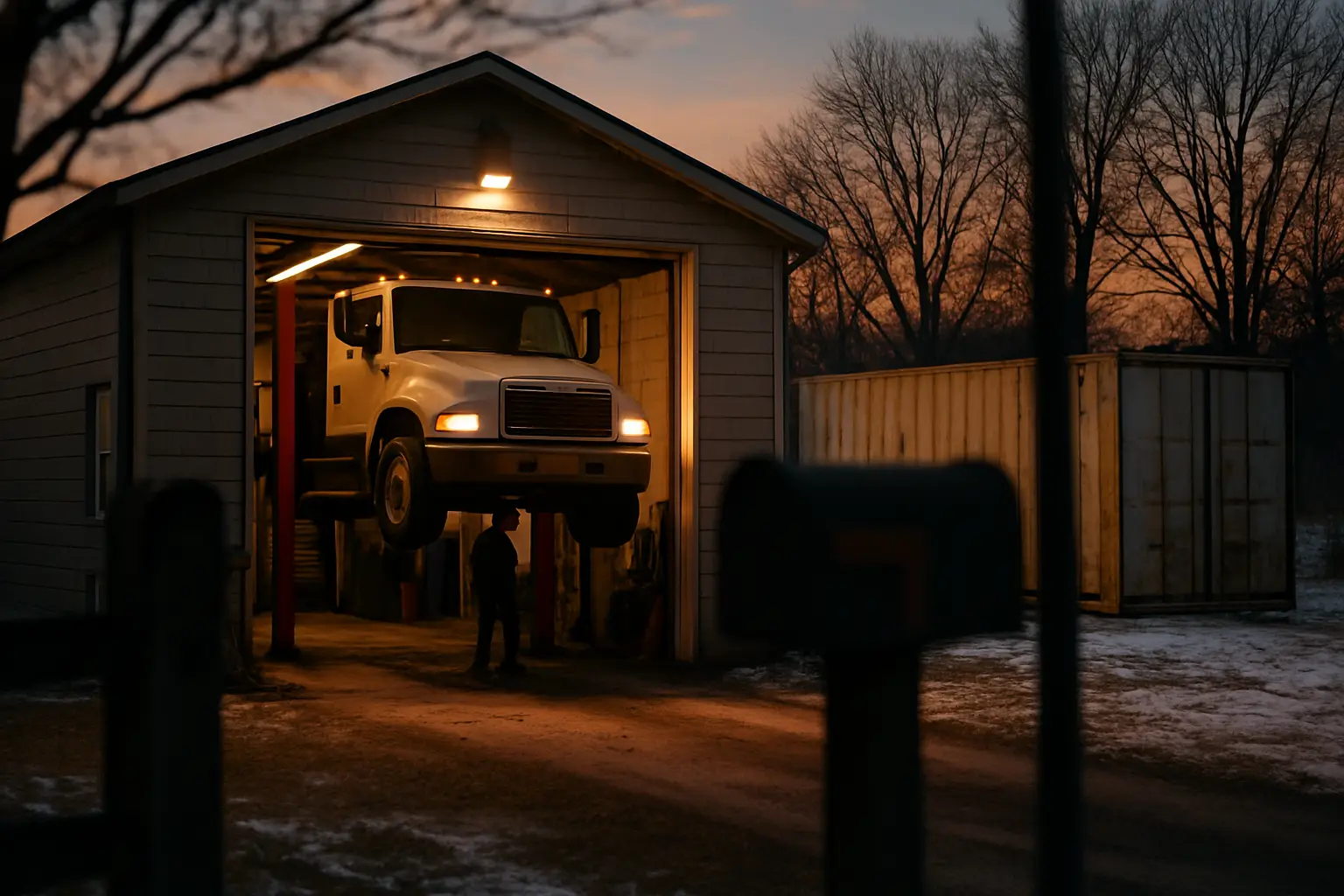
Diego Dumpster Rental has served the Lincoln area since 2018, handling the practical details that can make a container useful or make it a problem. We look at the debris, the loading method, the available surface, overhead clearance, and the truck path before delivery is scheduled. That matters on older Lincoln lots where mature trees, detached garages, alleys, and narrow driveways limit maneuvering. It also matters in newer subdivisions, where curbs, sidewalks, and compact lots leave less room for a placement mistake. Licensed, bonded and insured, our crew works with homeowners, remodelers, roofers, landlords, and commercial operators who need a clear plan rather than a vague size recommendation.

The company has delivered 4365 containers, but the useful part of that experience is knowing when not to oversize a job. A smaller container can be the better choice for a bathroom update or a limited garage cleanout, especially where driveway space is tight. Heavy material changes the recommendation even when the pile looks modest, so concrete, brick, soil, roofing, and mixed renovation debris need a closer conversation. Delivery is available 24/7, Monday to Sunday. During the call, describe the material and property access honestly. If the larger option is unnecessary, we will say so, because paying for unused capacity does not improve a cleanup.
Project-specific options

Dumpster Rental Lincoln, NE for the work ahead

Different debris streams load differently, and a container that suits a roof tear-off may be a poor fit for household contents. These options cover common Lincoln projects while leaving room to account for access, material weight, and the surface where the container must sit.

  • Household Cleanout Dumpsters

    Use a household cleanout container for furniture, boxed belongings, worn fixtures, and general contents from an attic, basement, garage, or full property. Tell us if the load includes appliances, masonry, soil, or other dense material, because those items affect the size and loading plan.

    Home cleanouts
  • Moving and Estate Cleanouts

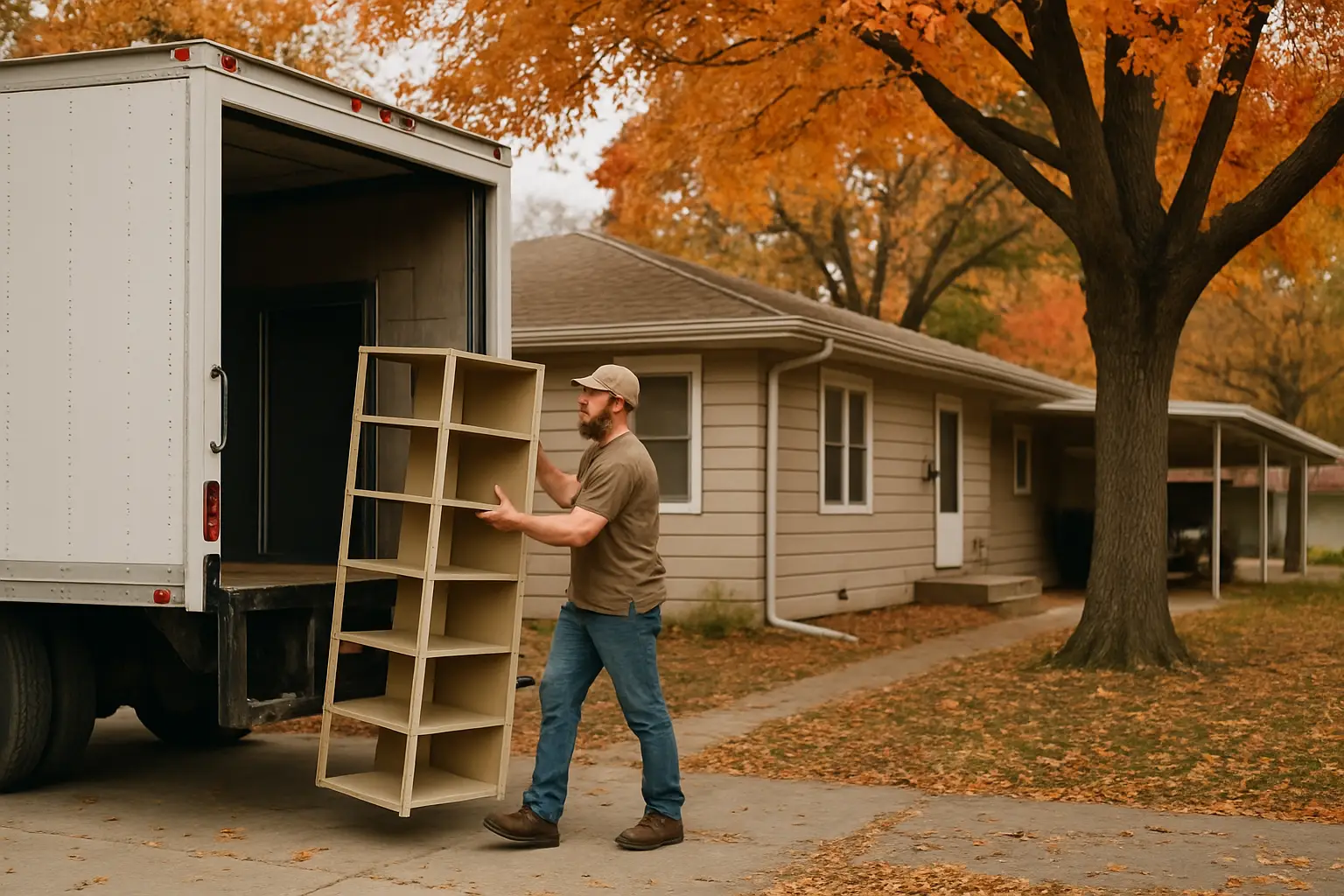
    Moving and estate work often combines furniture, clothing, kitchen goods, shelving, and small household debris. A container keeps the sorting area controlled while rooms are cleared. Share the property type, driveway conditions, and whether movers or other crews need the same access during loading.

    Move-out debris
  • Yard Waste Dumpsters

    Yard projects can produce branches, brush, sod, leaves, and trimmed material that take more space than expected. Keep the load within the container walls and separate dense soil or concrete from ordinary green waste. Lincoln weather can also make wet material heavier, so describe the project before choosing capacity.

    Outdoor cleanup
  • Home Renovation Dumpsters

    Remodeling debris may include cabinets, drywall, flooring, trim, packaging, and removed fixtures. A kitchen or whole-room project usually needs more room than a single repair, while masonry and tile can limit how much belongs in one container. We help match the container to the demolition stage.

    Remodeling debris
  • Roofing Debris Dumpsters

    Roofing loads are compact but heavy, especially when shingles, underlayment, and tear-off material accumulate quickly. Place the container where the roofing crew can load safely without blocking the work area. Tell us about the roof size, access route, and any other debris being mixed into the load.

    Roof tear-offs
  • Concrete and Heavy Material Containers

    Concrete, brick, block, asphalt, soil, and similar materials need a weight-conscious plan rather than the largest available box. A smaller container may be safer and more practical for dense debris. Describe the material and approximate demolition area so the placement and loading instructions fit the job.

    Heavy debris
  • Same-Day Dumpster Delivery

    Same-day delivery depends on current equipment, route planning, placement, and the information available when the job is discussed. It cannot be promised for every address or material list. If the project is already underway, have the delivery surface, access route, debris type, and desired placement ready to review.

    Urgent cleanup
  • Commercial Construction Dumpsters

    Commercial work often involves changing debris volume, active equipment, shared access lanes, and stricter site organization. We can discuss container sizing, placement changes, and pickup coordination around the construction sequence. Identify the site entrance, surface conditions, project material, and person responsible for access decisions.

    Construction sites
  • Recurring Business Waste Service

    Recurring service can suit businesses, contractors, and property operators who generate debris throughout a renovation or ongoing operation. The practical plan depends on material, storage space, access, and pickup frequency. We will discuss whether scheduled containers are more useful than arranging isolated deliveries for each phase.

    Ongoing projects

Additional site work

Some Lincoln projects need a different service

How scheduling works

A straightforward plan prevents delivery problems

  1. Describe the project

    Start with the material, project type, expected loading method, and approximate work area. Mention concrete, dirt, roofing, appliances, or other dense items instead of describing everything as general debris. Honest details make the size discussion more useful and reduce avoidable placement changes.

  2. Review the available space

    We discuss where the container may sit, what surface is available, and how the truck will approach. Note sidewalks, parked vehicles, low branches, overhead wires, gates, alleys, slopes, and shared drives. A clear access description is more valuable than a guess based only on driveway length.

  3. Choose a practical size

    Container capacity is only part of the decision. Weight, debris shape, loading height, and the number of trips through the property all matter. We may recommend a smaller option when the project is limited, or a larger one when underestimating the debris would create a second delivery.

  4. Confirm placement and delivery

    Before the route is planned, confirm the exact placement area and how the truck can reach it. Keep the surface clear, unlock gates, move vehicles, and protect anything that cannot be disturbed. Public-street placement may require local permission, so mention that situation before scheduling.

  5. Coordinate pickup

    Tell us when the work is likely to finish and what may remain in the container. Keep debris below the top edge and do not place prohibited or unapproved material inside. Pickup coordination works best when the site contact can confirm access and explain any change to the original plan.

Reasons to plan carefully

The useful service happens before the truck arrives

  1. Placement is treated as part of the job

    A container cannot simply be dropped wherever the pile is located. The truck needs a workable approach, enough clearance, and a surface that can support the operation. Lincoln properties vary from broad newer drives to older lots with alleys, mature trees, sidewalks, and parked cars. Discussing those details first protects the property and prevents an unusable placement.

  2. The cheaper option is sometimes right

    A large container is not automatically the best value. Limited bathroom work, a small garage cleanout, or a short roofing section may fit a smaller tier, especially when driveway space is restricted. Dense debris changes that calculation. We ask what is being removed and how it will be loaded before recommending capacity, and we will say when additional room is unlikely to help.

  3. Documentation keeps handoffs clear

    Scheduled delivery windows, placement notes, and pickup confirmations give the project a record that can be checked by the homeowner, crew, property manager, or site contact. That is useful when several people share responsibility for access. It also makes changes easier to discuss because the placement and pickup plan are based on specific job details rather than a loose verbal assumption.

Work standards

Details we check on every scheduled job

  • Material type determines whether capacity or weight is the main constraint.
  • Access conditions include gates, slopes, overhead branches, wires, and parked vehicles.
  • Driveway placement should leave room for safe loading and ordinary property movement.
  • Public-street placement usually requires town permission before the container arrives.
  • Heavy debris needs separate discussion before concrete, brick, soil, or asphalt is loaded.
  • Keep materials below the top edge so the load remains contained during handling.
  • Weather can change the condition of soil, yard waste, and unpaved placement areas.
  • Provide one reachable site contact who knows the agreed placement and pickup plan.

Lincoln placement planning

Where a container can safely sit on Lincoln property

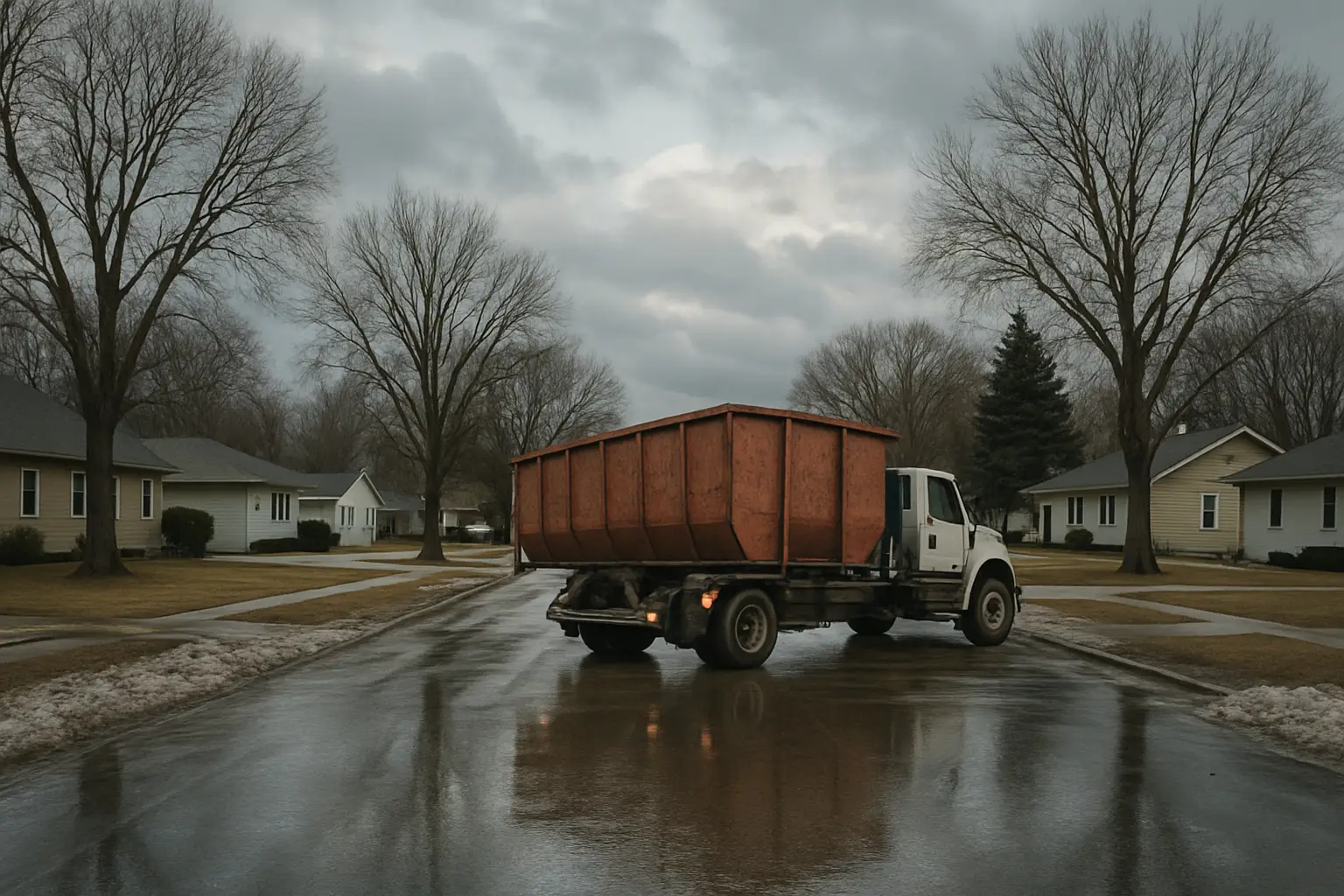
In Lincoln, the easiest placement is usually a level private driveway with a clear approach, but not every property offers that. Older areas may have narrow drives, detached garages, mature street trees, alleys, sidewalks, and vehicles that reduce the truck path. Newer subdivisions can have compact lots, curb cuts, decorative paving, and shared drives where a container would interfere with neighbors or traffic. A public street usually needs town permission first. Sloped ground, soft shoulders, drainage areas, and freshly watered soil deserve caution because the truck and loaded container need stable support. Tell us the exact side of the property, surface type, and whether the container would sit on private ground or public right of way.

The delivery truck needs more than the container footprint. It must approach, align, lower the box, and leave without catching branches, wires, eaves, fences, or parked vehicles. Gates can help or prevent access depending on their width and location. Before delivery, clear the proposed area, move vehicles, trim or identify low obstacles, unlock gates, and tell neighbors or crews who may block the route. If the only workable area is a street, alley, shoulder, or shared drive, discuss that before scheduling rather than assuming the driver can improvise. Placement notes should include slope, pavement condition, overhead clearance, and the route from the nearest open approach.

Lincoln placement is safer when the site contact marks the intended area before delivery.

A private driveway is generally simpler than a street, alley, shoulder, or shared access lane.

Clear vehicles, gates, branches, wires, and loose items from the truck approach.

Lincoln material choices

How Lincoln homes change size and weight decisions

Lincoln has a mix of older houses, postwar neighborhoods, newer subdivisions, rentals, apartments, and commercial properties. That variety changes the debris. An older home project may produce plaster, lath, trim, masonry, heavy flooring, or multiple layers of roofing. A newer interior update may create cabinets, drywall, packaging, fixtures, and lighter household contents. A garage or basement cleanout often needs volume, while concrete, brick, dirt, and roofing can reach a weight concern before the container looks full. The work area also matters: compact lots may favor a smaller box, while a broad construction site may justify more capacity.

Choose by the material first, then by the amount and loading method. Bulky furniture, cardboard, brush, and light renovation debris use space quickly. Broken concrete, block, soil, asphalt, and wet yard waste behave differently and should be discussed before loading. Do not mix a modest-looking pile of dense material with the assumption that a larger container solves the problem. For a roof replacement, account for tear-off layers and the location of the loading area. For a basement or estate cleanout, account for stairs, long carry distances, and furniture shape. Give us the room count or project type, the material list, and the available placement space so the recommendation matches the actual job.

Bulky household contents usually require room, while masonry and soil require weight planning.

Older renovation materials can be denser and less predictable than clean modern packaging.

Wet spring debris and storm cleanup may occupy more space and weigh more than expected.

Common questions

Answers before you schedule a container

How much does Dumpster Rental Lincoln, NE cost?

The price depends on container size, material, placement, rental timing, delivery access, and pickup coordination. Heavy debris may require a different plan than household contents, while a difficult approach can affect the work involved. Lincoln driveways, alleys, and public-street placements should be described clearly. Have the project type, debris list, address, and preferred placement ready when you call.

What dumpster size do I need for a home cleanout?

The right size depends on how much furniture, boxed material, shelving, fixtures, and general debris will be loaded, not simply on the number of rooms. A garage cleanout may need less capacity than a whole-property cleanout with bulky contents. Lincoln homes vary in basement access and driveway space. Describe the rooms, largest items, and available placement area before choosing.

Can a dumpster go in my Lincoln driveway?

A dumpster can often sit on a private driveway when the surface, approach, clearance, and available space support delivery. The truck still needs room to align and lower the container without contacting wires, branches, fences, vehicles, or buildings. Older Lincoln lots may have narrow drives or alleys. Clear the site and describe the driveway slope, gate, pavement, and overhead obstacles.

Can I put a dumpster on a Lincoln street?

A container on a public street usually needs town permission first, and the applicable requirements depend on the exact location and circumstances. Do not assume a driver can place it in a parking lane, alley, or shoulder without prior discussion. Lincoln traffic, curb access, and nearby properties can affect the plan. Tell us the proposed street location and have any permission details available.

What materials cannot go in a dumpster?

Not every material is accepted in every container, and restricted items can include hazardous substances, certain chemicals, liquids, pressurized containers, and other regulated waste. Concrete, soil, roofing, appliances, and electronics may also need specific handling instructions. Lincoln cleanup projects should be reviewed by material before loading. Set questionable items aside and describe them plainly so the correct plan can be explained.

How quickly can a dumpster be delivered in Lincoln?

Delivery timing depends on equipment availability, route planning, placement conditions, project information, and the requested container. Same-day service may be possible in some situations but cannot be promised for every address or material list. Delivery is available 24/7, Monday to Sunday. Have the access route, placement surface, debris type, and preferred timing ready for discussion.

How should I prepare for dumpster delivery?

Clear the placement area and truck approach, move vehicles, unlock gates, identify low branches or wires, and confirm that the surface is stable. Keep neighbors, crews, and property contacts from blocking the route. Lincoln properties with alleys, narrow drives, slopes, or public-street placement need extra planning. Have the address, site contact, material list, and placement choice ready.

Can I rent a dumpster for concrete or roofing debris?

Concrete and roofing debris can be handled when the container size and weight plan match the material. Dense concrete, brick, soil, asphalt, and multiple roofing layers should be discussed before loading because a larger container does not remove weight limits. Lincoln remodeling and roof work often has restricted driveway space. Describe the material, demolition area, and loading method before delivery.

Plan the delivery

Bring the job details to the phone call

Diego Dumpster Rental can help sort out size, material, placement, access, and pickup coordination for work in Lincoln. The more specific the description, the less guesswork remains when the container is scheduled. Service is available 24/7, Monday to Sunday, including active remodels and cleanouts that do not follow a convenient calendar.

Phone

(402) 773-8576

The call covers the project material, container size, placement conditions, delivery planning, and pickup coordination.

Availability

24/7
Monday to Sunday, day and night

Have this ready

  • Property address
  • Debris and material list
  • Preferred placement area
  • Desired delivery timing

Where we work

Lincoln, plus Waverly, Hickman, Roca, Raymond, Malcolm, Bennet, Seward, Crete, Milford and Ashland.

See the full service area list

Get the container plan right before cleanup starts

Describe the work, material, access route, and placement area to Diego Dumpster Rental. We will help you compare capacity, weight concerns, and scheduling needs without pushing a larger container when a smaller one fits.

Click Here to Call(402) 773-8576

Local coverage

Dumpster service around Lincoln and nearby communities

Diego Dumpster Rental is based in Lincoln and works throughout Lancaster County and nearby communities. Coverage includes Waverly, Hickman, Roca, Raymond, Malcolm, Bennet, Seward, Crete, Milford, and Ashland. Each property still needs its own review because driveway access, public placement, material weight, and local site conditions can change the delivery plan.

Downtown LincolnHaymarketCollege ViewSouth Salt CreekHavelockWoods ParkUniversity PlaceIndian Village

Dumpster Rental in nearby towns

Click Here to Call(402) 773-8576